Infant Care in Singapore: Costs, Subsidies, and How to Choose
Published 27 Oct 2026Updated 27 Oct 2026Little Buddy Team
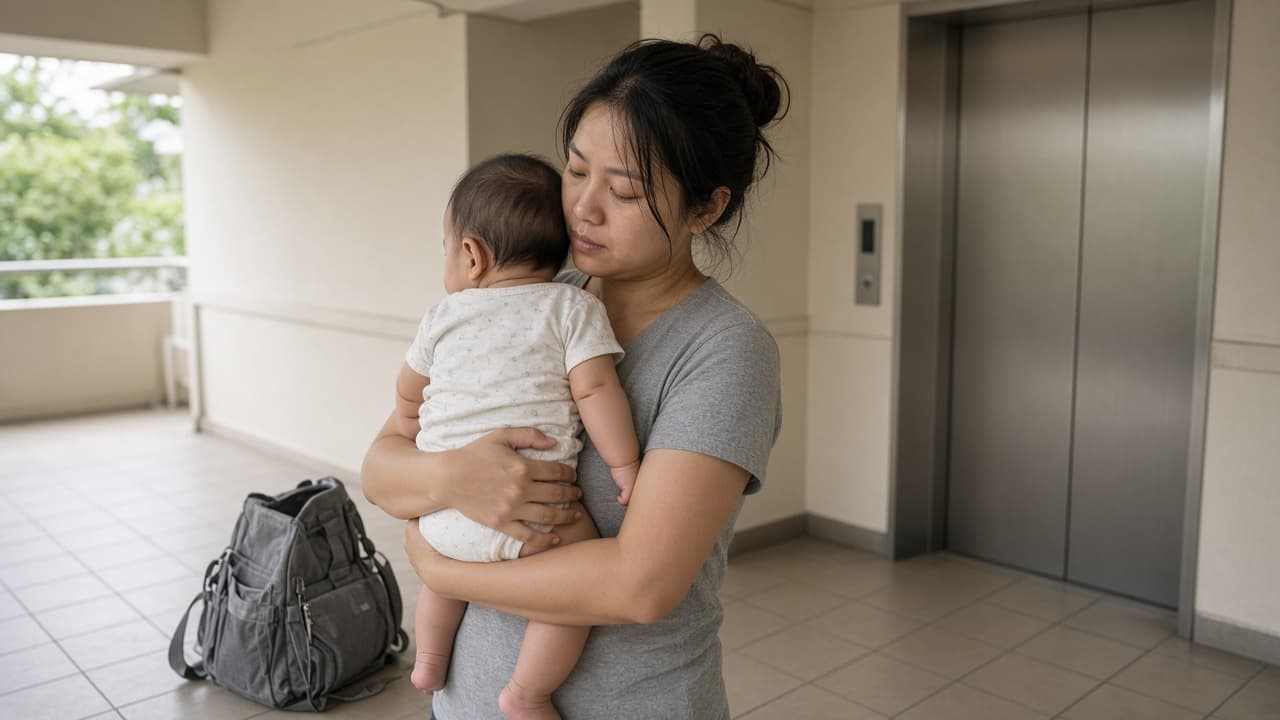
You know the moment. Leave ends on a date you can already see, the parent chat has sent three centre names and a brochure that says "holistic", and you are in the HDB lift lobby with a baby who has just found the echo. Someone will tell you to register everywhere. Someone else will say an Anchor Operator is what you pick when you left it too late.
If you searched infant care Singapore cost, this is that bill. The centre's fee, then the infant care subsidy, then whatever is left. It is not the confinement month, and it is not a verdict on the baby.
What infant care is, and what it is not
Infant care is an ECDA-licensed centre programme for a child from 2 months old until they are below 18 months. ECDA's choosing guide calls that a Class A licence. A full day runs from 7am to 7pm, five or five-and-a-half days a week, not on Sundays or public holidays. Some centres also sell half-day or flexi care. Those are a different fee and a different subsidy row. This page stays on the full day, which is the invoice most people are staring at. The other rows are in the childcare subsidy guide.
Childcare is the next programme, from 18 months until the child is below 7, on that same ECDA guide. Often it is the same building. It is not the same cap, and it is not the same Basic Subsidy. People get caught because they treated the infant place as a booking through K2. The switch is in the FAQ.
A confinement nanny is the first month at home. A centre will not take a newborn. Two months is the youngest age on the licence, and some private campuses start later than that. EtonHouse City lists infant care from 6 to 17 months. Gardens by the Bay lists it from 9 months. A domestic helper is a household employee under MOM's rules, not an infant educator in a licensed room. Grandparents have no invoice. They also have a Tuesday, which you already know if you have asked yours to cover a fever pickup and the 6.40am drop.
The months before two months are maternity leave and whoever you have at home. Infant care does not backfill the newborn month. A fever once they are enrolled is a different scheme again. That one is childcare leave.
What a month of infant care costs
From 1 January 2026, ECDA's citizen cap for full-day infant care is $1,235 a month before GST at an Anchor Operator, and $1,290 before GST at a Partner Operator. GST is 9%. At the Anchor cap, that is $1,346.15 including GST, which is the figure PCF Sparkletots, E-Bridge and Skool4Kidz publish. My First Skool says citizen infant care starts from $1,235 before subsidy and before GST. "Starts from" means ask which level you are actually on.
The Partner Operator cap is a fee ceiling, not a quality rank. Star Learners lists $1,290 before GST for 2026. Little Footprints lists the same infant-care amount and dates its fee page from 1 January 2027, so ask that centre for the 2026 invoice. On ECDA's own page the cap is already $1,290 before GST from 1 January 2026. Branch notes, including which centres do not run infant care at all, are in the preschool guide.
Private centres are not under that cap. EtonHouse City and Gardens both list five full days of infant care at $3,225 a month before GST, $3,515.25 with GST, for 2026. That is two campuses of one operator, not a national average. A citizen child at a licensed centre can still be assessed for the infant care subsidy. The subsidy will not turn $3,225 into an Anchor Operator bill.
Citizen full-day infant care, before subsidy, checked against ECDA and operator pages in October 2026. GST is included only where the cell says so.
Anchor Operator
- Monthly fee
- $1,235 before GST
- What that number is
- ECDA cap from 1 January 2026. With 9% GST, $1,346.15 at operators who charge the cap.
Partner Operator
- Monthly fee
- $1,290 before GST
- What that number is
- ECDA cap from 1 January 2026. The Partner Operator term runs to 31 December 2030.
Private, two campuses
- Monthly fee
- $3,225 before GST
- What that number is
- EtonHouse City and Gardens, five full days, 2026. With GST, $3,515.25. Not a cap. City lists 6 to 17 months. Gardens lists from 9 months.
| Centre type | Monthly fee | What that number is |
|---|---|---|
| Anchor Operator | $1,235 before GST | ECDA cap from 1 January 2026. With 9% GST, $1,346.15 at operators who charge the cap. |
| Partner Operator | $1,290 before GST | ECDA cap from 1 January 2026. The Partner Operator term runs to 31 December 2030. |
| Private, two campuses | $3,225 before GST | EtonHouse City and Gardens, five full days, 2026. With GST, $3,515.25. Not a cap. City lists 6 to 17 months. Gardens lists from 9 months. |
Registration and the deposit are not the monthly fee. Several Anchor Operators in the preschool guide charge $87.20 to register. EtonHouse City's infant-care registration is $1,308 including GST, and the deposit on that page is $3,225. Notice periods and what you get back are the centre's rules. Get them in writing before you pay. ECDA does not publish one national registration fee.
- PCF Sparkletots, My First Skool, E-Bridge and Skool4Kidz: registration $87.20, as published on those operators' fee pages and in the preschool guide.
- EtonHouse City, 2026: infant-care registration $1,308 including GST, and a deposit of $3,225. Gardens lists the same registration and deposit for infant care.
The infant care subsidy, which is not the childcare one
The infant care subsidy is not the childcare subsidy with the age crossed out. For a full day, Basic Subsidy is $600 a month when the main applicant works at least 56 hours a month, and $150 when she does not. Full-day childcare's working Basic Subsidy is $300, and its Additional Subsidy tops out at $467. Those are not these rows. At $3,000 household income and below, the minimum you still pay is $40 for infant care. For childcare that floor is $3.
Who qualifies is the same gate as the childcare subsidy guide. The amounts are not.
- The child is a Singapore Citizen. A Permanent Resident child is not eligible. A Permanent Resident parent can still complete the form when the child is a citizen.
- The centre is ECDA-licensed. Anchor Operator, Partner Operator and private centres all sit under that test.
- The child attends at least one day in the month. A month with no attendance has no subsidy.
- The main applicant is the mother, or the single father if she is unavailable because of divorce, separation or widowhood.
- The $600 Basic Subsidy needs those 56 hours, including part-time or freelance work. Fewer than 56 hours counts as not working. Additional Subsidy also needs the income ceiling, unless Special Approval applies.
The 2026 ceiling for Additional Subsidy is gross monthly household income of $12,000, or per capita income of $3,000. Per capita income is for a household of at least five family members, related by blood, marriage and/or legal adoption, at the main applicant's registered address. Divide their total average gross monthly income by that number of people. A spouse registered somewhere else is left out. From 1 January 2027 those ceilings rise to $15,000 and $3,400. The dollar amounts in each infant-care row stay the same. The bands get wider. Use the 2026 rows until 31 December 2026. The band map is in the childcare subsidy guide. Do not use it early.
Household income is both parents' combined average, even if their registered addresses differ, or the applicant's income alone in a single-parent household. ECDA counts base salary, bonuses, commissions, overtime, allowances and the employee's CPF contribution. The Household Means Eligibility System (HOMES) checks it from the consent on the form.
From 9 December 2024, a citizen child in childcare — not infant care — can receive the full subsidy for that income band even if the main applicant is not working, at $6,000 household income or below, or $1,500 per capita income or below. From 1 January 2027 those lines become $7,500 and $1,700. Above them, or for infant care, use Special Approval instead.
Special Approval is for some families who miss the usual working-applicant test. It is not automatic, and when it is granted it is for a limited time. The reasons, including job search, study, pregnancy, illness and caregiving, are listed in the childcare subsidy guide. Child Care Financial Assistance (CCFA) is a further route if the nett fee is still too much. ECDA decides that case by case and does not publish one CCFA payout, so none is quoted here.
Full-day infant care, working main applicant, amounts in force through 31 December 2026. Source: ECDA subsidy tables. A non-working applicant generally receives $150 in Basic Subsidy and no Additional Subsidy.
$3,000 and below
- Per capita income
- $750 and below
- Basic Subsidy
- $600
- Maximum Additional Subsidy
- $710
- Minimum co-payment
- $40
$3,001 to $4,500
- Per capita income
- $751 to $1,125
- Basic Subsidy
- $600
- Maximum Additional Subsidy
- $640
- Minimum co-payment
- $110
$4,501 to $6,000
- Per capita income
- $1,126 to $1,500
- Basic Subsidy
- $600
- Maximum Additional Subsidy
- $500
- Minimum co-payment
- $250
$6,001 to $7,500
- Per capita income
- $1,501 to $1,875
- Basic Subsidy
- $600
- Maximum Additional Subsidy
- $380
- Minimum co-payment
- $360
$7,501 to $9,000
- Per capita income
- $1,876 to $2,250
- Basic Subsidy
- $600
- Maximum Additional Subsidy
- $240
- Minimum co-payment
- $500
$9,001 to $10,500
- Per capita income
- $2,251 to $2,625
- Basic Subsidy
- $600
- Maximum Additional Subsidy
- $100
- Minimum co-payment
- $640
$10,501 to $12,000
- Per capita income
- $2,626 to $3,000
- Basic Subsidy
- $600
- Maximum Additional Subsidy
- $40
- Minimum co-payment
- $700
Above $12,000
- Per capita income
- Above $3,000
- Basic Subsidy
- $600
- Maximum Additional Subsidy
- Not available
- Minimum co-payment
- No Additional Subsidy
| Household income | Per capita income | Basic Subsidy | Maximum Additional Subsidy | Minimum co-payment |
|---|---|---|---|---|
| $3,000 and below | $750 and below | $600 | $710 | $40 |
| $3,001 to $4,500 | $751 to $1,125 | $600 | $640 | $110 |
| $4,501 to $6,000 | $1,126 to $1,500 | $600 | $500 | $250 |
| $6,001 to $7,500 | $1,501 to $1,875 | $600 | $380 | $360 |
| $7,501 to $9,000 | $1,876 to $2,250 | $600 | $240 | $500 |
| $9,001 to $10,500 | $2,251 to $2,625 | $600 | $100 | $640 |
| $10,501 to $12,000 | $2,626 to $3,000 | $600 | $40 | $700 |
| Above $12,000 | Above $3,000 | $600 | Not available | No Additional Subsidy |
ECDA cuts Additional Subsidy so you still pay at least the minimum co-payment. Above $12,000 household income, or $3,000 per capita income where that test is used, Additional Subsidy stops. Basic Subsidy can still apply. Half-day and flexi amounts are in the same ECDA subsidy tables. Do not use the full-day row for a short day.
These columns use a working main applicant with household income of $5,000 in 2026. That is the $4,501 to $6,000 band: $600 Basic Subsidy, up to $500 Additional Subsidy, and a $250 minimum co-payment. Fees are before GST. The centre's invoice adds GST. This is the same co-payment rule as the childcare guide, with infant amounts. It is not a quote.
Hypothetical full-day infant care fees for one working applicant with household income of $5,000 in 2026. Before GST.
Programme fee
- Anchor cap of $1,235
- $1,235
- Private fee of $3,225
- $3,225
Less Basic Subsidy
- Anchor cap of $1,235
- $600
- Private fee of $3,225
- $600
Maximum Additional Subsidy for this band
- Anchor cap of $1,235
- $500
- Private fee of $3,225
- $500
Minimum co-payment
- Anchor cap of $1,235
- $250
- Private fee of $3,225
- $250
Additional Subsidy after the co-payment rule
- Anchor cap of $1,235
- $385
- Private fee of $3,225
- $500
Monthly fee payable, before GST
- Anchor cap of $1,235
- $250
- Private fee of $3,225
- $2,125
| Calculation | Anchor cap of $1,235 | Private fee of $3,225 |
|---|---|---|
| Programme fee | $1,235 | $3,225 |
| Less Basic Subsidy | $600 | $600 |
| Maximum Additional Subsidy for this band | $500 | $500 |
| Minimum co-payment | $250 | $250 |
| Additional Subsidy after the co-payment rule | $385 | $500 |
| Monthly fee payable, before GST | $250 | $2,125 |
At $1,235, the Anchor Operator full-day infant-care cap, $1,235 − $600 − $500 falls to $135. That is under the $250 floor, so Additional Subsidy is $385 ($1,235 − $600 − $250), not $500. You still pay $250 before GST.
At the EtonHouse City and Gardens fee of $3,225 before GST, $3,225 − $600 − $500 = $2,125. That is above $250, so the full $500 Additional Subsidy applies. You pay $2,125 before GST. The campus still has to be the one with a place, and neither of those two starts at 2 months.
From 1 January 2027, a household on $5,000 leaves the $4,501 to $6,000 band and sits in $3,501 to $5,500. That wider band keeps the infant amounts from the old $3,001 to $4,500 row: up to $640 Additional Subsidy and a $110 co-payment. Use the 2026 band until 31 December 2026.
The Child Development Account can pay fees at a centre on the Baby Bonus Approved Institution list, by GIRO or the Baby Bonus NETS card. It is not cash, and it does not change your ECDA band. The First Step Grant and the matching cap are in that guide. Search the Approved Institution list before you count on the balance.
How to apply
You cannot apply for the subsidy before the centre has a place. Registering interest is not the same step. The application itself matches childcare.
- Confirm a place at an ECDA-licensed centre. The enrolment form and the deposit are separate from the subsidy.
- Ask the centre to send LifeSG Form 1 on or after the first day. If it has not arrived within a week, contact the centre.
- Finish it in Singpass within 14 days, with consent for the income check. A spouse must submit too, or the form is incomplete. After 14 days it is withdrawn.
- Wait for the outcome, usually by email within one to four weeks. The LifeSG app shows the status.
- Check the nett fee with the centre. The subsidy is paid to the centre, not to you.
ECDA's subsidy application page sets out the same steps. If work or income changes, ask the centre about Form 2 rather than waiting for the next fixed assessment. There is no public calculator that replaces that assessment. LifeSG preschool search can show an estimate after you log in with Singpass. HOMES can still change the approved amount.
The waitlist is the actual problem
There is no national queue that holds a cot for you. LifeSG's preschool search shows centres near an address, including vacancies. Each centre keeps its own list. A vacancy on the screen today is not a place in the month your leave ends.
MSF has told Parliament that the wait, from the point you register interest, is typically a few weeks to a few months, and longer if you will only take one centre. That is the shape of it. A headcount from a few years ago will not get you a cot in Tampines. The reply is on MSF's infant-care waiting-time note.
My First Skool says you may register up to 12 months ahead, name up to three centres, and register infant-care interest from about three months before the due date. That is the operator's rule, already in the preschool guide, not an ECDA deadline. Other chains differ. Ask the one you are actually ringing.
Put your name down at two or three centres you can actually reach, once they will take the form. For a lot of families that is the third trimester, which is also when forms feel optional. Treat the form as a queue ticket. Pay a deposit only when the start date, the fee after subsidy, and the plan for 18 months are in writing. Keep a gap plan for the weeks after leave if the cot is not confirmed: a grandparent, a helper, or a later start. Do not take a centre an hour from the MRT because the open house had better cushions.
How to choose the centre
The legal floor is regulation 44 of the Early Childhood Development Centres Regulations. An infant class needs at least one infant educator for every five children during operating hours. If programme helpers are in the room, educators and helpers together must still be at least 1:5, and there must be at least one educator for every helper. Ask who is actually there at 8.15am, when you are late, and at nap. The ratio on the brochure is the floor. Tuesday is the test.
Ask how long the two adults in that room have been there, and who covers leave. A baby does not care that the chain won an award. They care that the person who knows which bottle is theirs is the person on shift.
Before you pay the deposit, ask whether this branch will have a childcare place when your child turns 18 months. Infant care is not at every centre, and a full infant room does not create a toddler place. At that birthday the Anchor Operator full-day childcare cap is $610 a month before GST, the Partner Operator cap is $650, and the working Basic Subsidy falls from $600 to $300. Those childcare figures are in the subsidy guide and the preschool guide. A verbal "usually we can fit them" is how people end up touring again at 16 months.
Pick the centre you will still use on a wet Tuesday. Near home, near work, or near the person who does pickup. Count the walk from the MRT in the rain, not the drive you did on a Sunday with a sleeping baby. A fever at 10am is a pickup. Budget for that call, and for the deposit, before you fall for a sensory corner.
If you are filling the form tonight: citizen child, working mother, household inside the 2026 ceiling, start with an Anchor or Partner Operator you can reach, and read the nett fee against the infant rows above. Private is for when that centre is the one with a cot, and you can keep paying the gap. Register at more than one place. Confirm the month they turn 18 months before you treat the infant place as the whole of preschool.
Rates follow ECDA's subsidy overview and subsidy tables. The caps are on the Anchor Operator and Partner Operator pages. Little Buddy is a parent-built directory, not a government office. Confirm the fee with the centre.